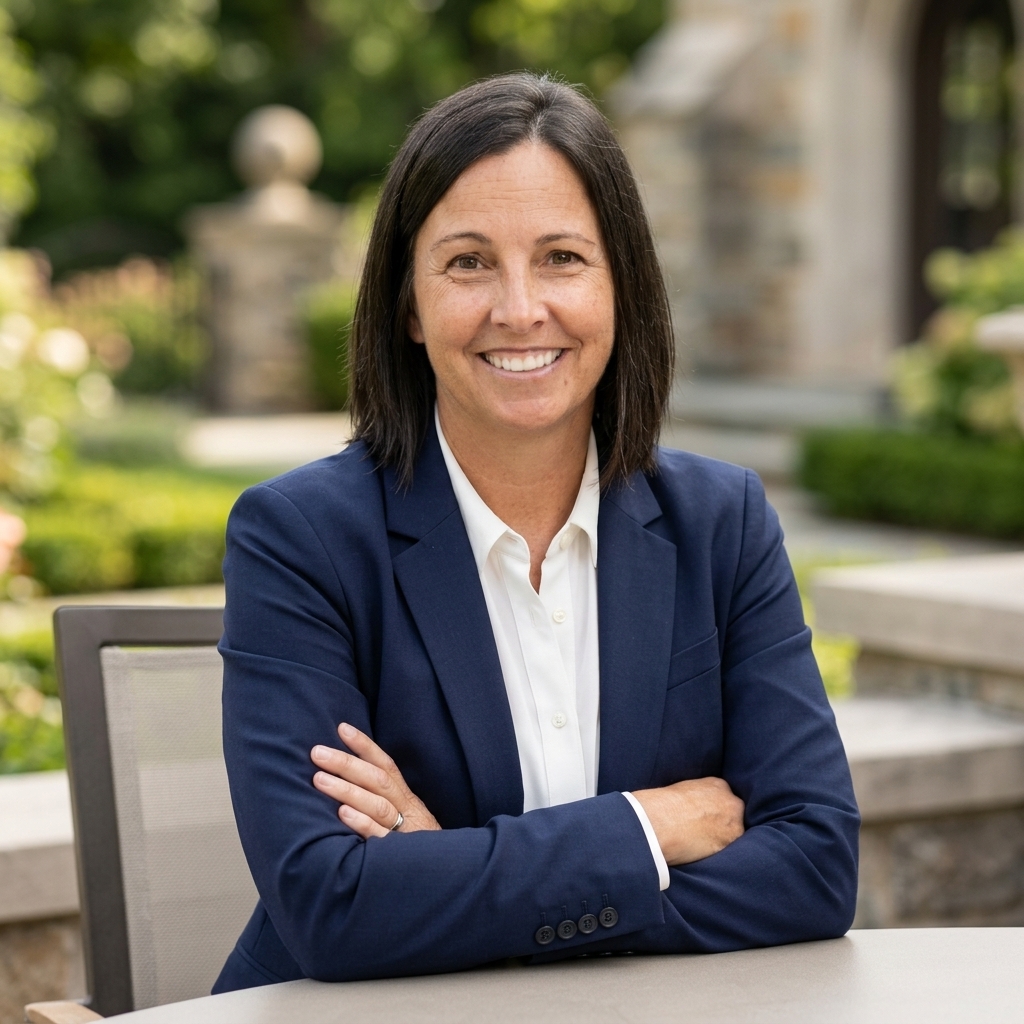
For more than 20 years, teaching middle school English Language Arts in rural North Carolina has shaped everything about how this work gets done. As a National Board Certified Teacher, a PhD, and a certified structured literacy and dyslexia interventionist, the path to dyslexia education came the way it does for many practitioners: through a student who changed the way reading instruction looks entirely.
303 Science of Reading bell ringers for middle school
One no-prep slide for every school day, built by a current 6th grade ELA teacher.
Get this resource on TPT →I have been selected as a 2025-2026 Council Scholar through the World Affairs Council of Charlotte. This September 2026, that grant will fund a trip to Gdansk, Poland, to attend the European Dyslexia Association Autumn Seminars. What follows is exactly why that matters, not just personally, but for any educator who works with students who read differently.
The American dyslexia conversation has limits
The United States has made meaningful progress on dyslexia identification and structured literacy over the last decade. Science of Reading legislation is moving through state houses. Phonics is back in the conversation. Screeners are being mandated. That is real progress, and it matters.
But the United States is not the only country having this conversation, and it is not the furthest along.
Countries across Europe have been grappling with dyslexia identification, multilingual learner support, and inclusive classroom design in ways that American educators rarely get exposure to. Some have national policies that guarantee early identification. Some have intervention models built into general education rather than bolted on as a separate service. Some are doing fascinating work at the intersection of dyslexia and multilingual literacy that has direct implications for the diverse classrooms many of us teach in every day.
The EDA Autumn Seminars bring together researchers, practitioners, and policy advocates from across Europe. The goal is to sit in those rooms, ask hard questions, and take rigorous notes. Everything learned comes home to Lincoln County.
Why rural matters here
Teaching in a rural district means resources are not limitless. Specialist pipelines are thin. The gap between what the research says and what a rural classroom teacher can actually implement is real, and it is frustrating.
That is exactly why an international perspective matters. This trip is not a search for solutions that require enormous budgets or fully staffed intervention teams. It is a search for what works in under-resourced settings, what teachers can do without waiting for a system to catch up, and what other countries have figured out about building dyslexia awareness into general classroom practice rather than treating it as a specialist-only concern.
If another country has cracked that, it is worth knowing about.
The other piece of this trip
From Gdansk, the journey continues to Krakow, including visits to Auschwitz-Birkenau and Schindler's Factory. This is not separate from my work as an educator. It is an extension of it.
Training with The Olga Lengyel Institute for Holocaust and Human Rights Education has spanned several years. That work has shaped how history, empathy, and moral complexity get taught to adolescents. Walking those sites, standing in that history, will do something to the teaching that cannot be replicated in a seminar room or a curriculum guide. That comes back to my students, too.
What will be shared
When the trip is done, there will be writing about what was learned. The research that surprised me. The practices worth adapting. The questions that came home still unresolved. If you work with students who have dyslexia, teach in a rural setting, or are simply trying to close the gap between what the science says and what your classroom looks like, this space is meant to be useful to you.
The world is a bigger classroom than any of us can fully see from inside our own district. September is a chance to go look.